
A Clear Purpose Behind the Business
Fitlab Nutrition is presented around a simple idea: everyday wellbeing becomes easier to support when people are given clear information, realistic expectations and products that are explained honestly. The reference About page describes a business built around energy, metabolic health and gut health. Those three areas are closely connected in daily life, so the About page should feel more like calm guidance than a sales pitch.
The business position is not that one supplement can change every part of health. It is that good support begins with understanding the body and respecting the habits that shape normal wellbeing. Food, movement, hydration, sleep, stress and digestive comfort all influence how people feel. Supplements may sit alongside those foundations, but they should not replace them.
This page explains the story, mission, values and standards behind Fitlab Nutrition in a practical way. It keeps the same healthcare-style tone used across the site: steady, informative and careful with claims. The purpose is to help visitors understand what the business stands for before they read about individual products.
Where Science Meets Everyday Wellbeing
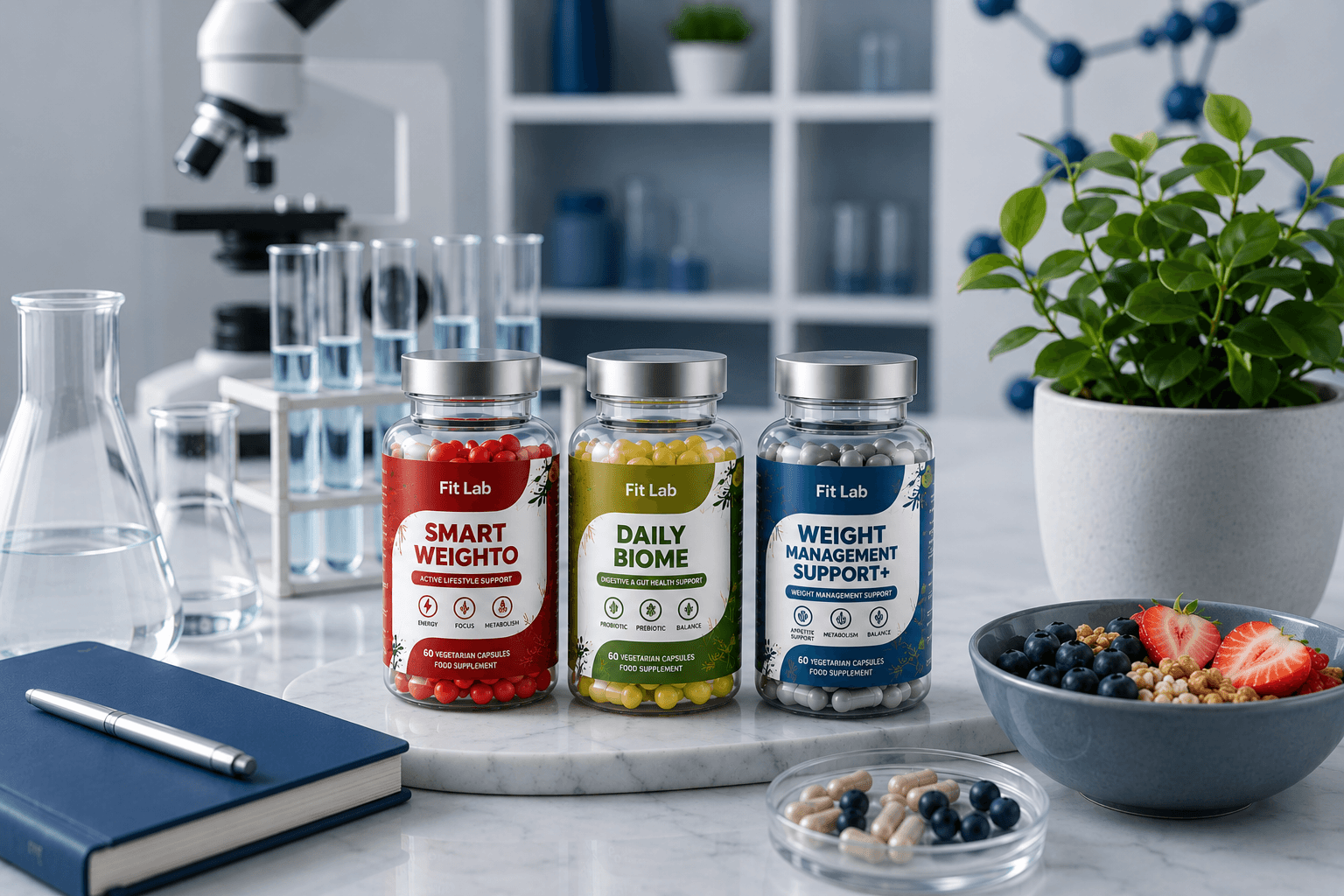
The reference About page describes the business as a place where science meets everyday wellbeing. That idea matters because health information can often feel difficult to judge. People may see confident claims, complex ingredient names and changing wellness trends, but still be left unsure about what is useful or realistic.
Fitlab Nutrition takes a more measured approach. Scientific information should help people ask better questions, not overwhelm them. A visitor should be able to understand what a product is intended to support, what its key ingredients are, how it fits into a routine and where its limitations sit.
Energy, metabolic health and gut health are useful pillars because they reflect common everyday concerns. A person may feel tired, struggle with consistency around weight-management habits or want to pay closer attention to digestive balance. These concerns are not isolated. Poor sleep can affect energy and appetite. Stress can influence digestion. Irregular meals can affect focus. Limited movement can make it harder to feel physically steady.
For that reason, the business story is not built around a single ingredient or narrow promise. It is built around education, practical habits and careful supplement use. The aim is to make health support feel understandable and proportionate.
The Three Pillars That Shape the Site
Energy is part of daily function. It can be influenced by sleep, meal timing, hydration, caffeine intake, activity, workload and stress. The site treats energy as something that should be supported responsibly, not forced through unrealistic routines.
A supplement may help some people structure their day, but it cannot replace recovery. This is why Fitlab Nutrition content repeatedly connects energy support with balanced meals, adequate rest and awareness of total caffeine intake.
Metabolic health is presented as a broad everyday topic rather than a quick-fix weight message. The body uses many processes to convert food and stored energy into what it needs for normal function. Those processes are influenced by movement, sleep, hormones, age, health and consistency.
Fitlab Nutrition avoids treating metabolism as something that can simply be switched on by one product. The more responsible view is that metabolic wellbeing is supported through a steady routine and carefully explained nutritional support where suitable.
Gut health is another important pillar because digestion affects comfort, nutrient absorption and routine. The reference content describes support around live cultures, prebiotic fibre and digestive wellness. The wider message is that the gut responds to many parts of daily life, including food variety, fibre intake, hydration, stress and movement.
A balanced gut-health message should not reduce digestion to one ingredient. It should help people understand the difference between live cultures, prebiotic fibre, botanical support and the wider habits that influence digestive balance.
Standards Visitors Should Be Able to Trust
The reference About page highlights pure ingredients. In practical terms, that means ingredients should be selected for a clear reason and explained in a way that ordinary readers can understand. A long ingredient list is not automatically better. A thoughtful formula should make sense for its intended purpose.
Clear ingredient communication also helps people avoid duplication. Someone using several supplements may not realise that the same nutrient, stimulant or botanical appears in more than one product. Responsible guidance helps them slow down and review labels carefully.
The reference page describes the business as UK founded, developed and produced to trusted manufacturing standards. This supports a sense of accountability. Visitors should feel that the products are presented through a structured standard rather than casual trend-led language.
Manufacturing standards do not remove the need for personal suitability checks, but they do matter when people compare supplement information. Quality, consistency and clear labelling all support safer decision-making.
Evidence-informed formulation means claims should be handled with care. Research can help explain why an ingredient has been included, but it should not be used to promise identical outcomes for every person. Individual responses can vary because diet, medication, sleep, stress, age and health all matter.
Fitlab Nutrition should therefore use science as a source of context, not pressure. The tone should remain calm, specific and careful.
The reference About page also highlights vegan and gluten-free formulas. This matters because dietary preferences and suitability needs are part of responsible supplement selection. People may need to check capsule materials, allergens and ingredient sources before deciding whether a product is right for them.
Accessible formulation should not be treated as a marketing shortcut. It should be part of a broader commitment to clarity, suitability and respect for different lifestyles.
A Responsible View of Supplement Support
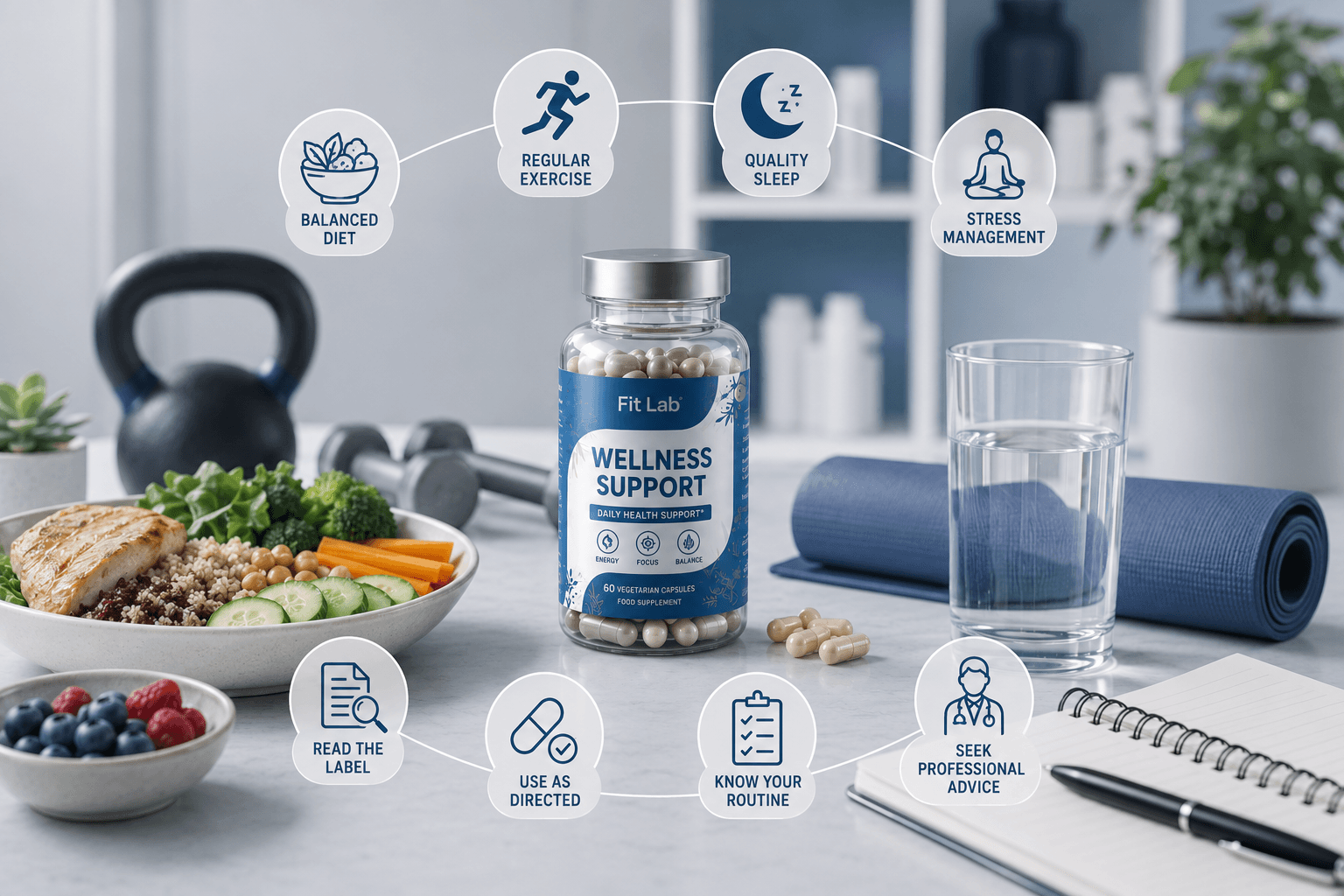
Fitlab Nutrition content should make clear that supplements are not replacements for a varied diet, professional care or sustainable habits. They may support a routine, but they should remain one part of a wider picture.
This matters because the supplement industry can be confusing. Some products are presented with strong claims or dramatic language. That can make it difficult for people to separate useful guidance from exaggerated expectation. Fitlab Nutrition should give readers enough context to make calm decisions.
Responsible supplement support begins with the label. People should know what a product contains, how it should be used, who may need to avoid it and when professional advice may be appropriate. They should also be encouraged to consider their current routine before adding something new.
For example, an energy-focused product should be considered alongside sleep, caffeine intake and workload. A digestive product should be considered alongside fibre, hydration and symptoms that may need assessment. A weight-management product should be considered alongside meals, movement, appetite awareness and body respect.
How the Tone Protects the Reader
The tone of Fitlab Nutrition should feel calm, professional and supportive. It should not shame people for weight, fatigue or digestive discomfort. It should not suggest that personal worth is connected to appearance or that every concern can be solved by buying a product.
Healthcare-style communication works best when it gives people space to think. Short, clear sentences help. So does avoiding exaggerated language. Visitors should leave with a better understanding of their options, not with anxiety about needing to do everything perfectly.
This approach is especially important when discussing weight management. Weight can be influenced by many factors, including sleep, stress, medication, hormones, age, activity and health. Responsible content should recognise that complexity. It should encourage sustainable habits rather than extreme restriction.
The same principle applies to energy and gut health. Persistent fatigue or ongoing digestive symptoms should not be ignored. Professional advice may be more appropriate than repeatedly adding new products.
Practical Education Before Product Choice
A strong About page should explain that education comes before product choice. People benefit from understanding the basics before comparing formulas. That includes knowing what caffeine does, how fibre supports digestion, why sleep affects appetite and why more ingredients are not always better.
Fitlab Nutrition can help by presenting information in plain language. Visitors should be able to recognise the difference between a product intended for active-lifestyle energy and one focused on digestive wellbeing. They should understand that two products with different purposes are not automatically suitable to combine.
Education also helps people use products more responsibly. They may learn to check total caffeine intake, increase fibre gradually, follow serving directions or consider medication interactions. These are practical details that make supplement guidance more useful.
The goal is not to turn every reader into a nutrition expert. It is to give them enough information to make decisions that fit their needs, routines and circumstances.
Respect for Real-Life Routines
Everyday wellbeing has to work in real life. People have jobs, family responsibilities, travel, stress, changing schedules and imperfect weeks. A routine that looks perfect on paper may not be possible to maintain.
Fitlab Nutrition should support manageable structure. That may mean simple meals, regular hydration, movement that fits the day, a consistent supplement time or reviewing caffeine before it affects sleep. These actions may be small, but they can create stability.
The About story should therefore avoid perfectionism. It should recognise that people sometimes miss routines and then need to return to them without judgement. Consistency is built by repeating useful habits, not by never having a difficult day.
This is why the business message is stronger when it stays realistic. A visitor should feel guided, not pushed. The best support is often the one that helps people return to steady choices.
What Makes the Business Standards Meaningful
Standards become meaningful when they are visible in the way information is written. If a product is described as evidence-informed, the content should still explain limitations. If a formula is described as clean or accessible, the content should still remind readers to check labels. If a product is described as useful for a routine, the content should still make clear that individual suitability varies.
Fitlab Nutrition should also avoid unnecessary complexity. Scientific terms have value, but they should be translated into practical meaning. For example, people do not only need to see ingredient names. They need to know what those ingredients are included to support and how they fit into daily habits.
This balance of science, clarity and everyday practicality is what helps the website feel trustworthy. It is not about making the loudest claim. It is about making the clearest one.
A Steady Way Forward

The story behind Fitlab Nutrition is best understood as a steady approach to nutritional support. The business focuses on energy, metabolic health and gut health because those areas affect how people move through daily life. It also presents products through standards that include ingredient care, evidence awareness, accessible formulation and realistic communication.
The most important message is proportion. Supplements may be useful, but they are not the whole answer. Balanced food, hydration, movement, sleep, stress management and appropriate professional care remain central.
Fitlab Nutrition can support people by helping them understand the products, consider their routines and make decisions with care. That is the kind of About page a healthcare-style website needs: clear, human and grounded in responsible guidance.
Why Clarity Comes First
Clarity is one of the most important standards for a supplement business because people often arrive with uncertainty. They may not know whether tiredness is linked to sleep, food, hydration, stress or something that needs medical assessment. They may not know whether digestive discomfort is related to fibre intake, routine changes, stress or an underlying issue. They may also be trying to understand weight-management support without being pulled into unrealistic promises.
Fitlab Nutrition should meet that uncertainty with calm explanations. Clear content names what a product is intended to support and what it cannot do. It explains key ingredients in plain language and avoids making a formula sound more certain than health support can realistically be.
This approach helps visitors make better decisions. It also reduces the pressure that often surrounds nutrition and supplement choices. A person should not feel that they need a complicated routine to begin caring for wellbeing. They should be able to understand the basics, check suitability and move at a pace that works in normal life.
How Evidence Should Be Communicated
The reference About page uses science as part of the business identity. For that to remain trustworthy, evidence should be communicated with balance. Research can explain why ingredients are chosen, how they have been studied and what role they may play in a formula. It should not be used as a way to promise the same outcome to every person.
A responsible evidence standard recognises context. A study may use a specific ingredient amount, participant group or timeframe. The results may not apply equally to every visitor. Personal diet, medication, health conditions, stress, sleep, activity and consistency can all affect experience.
Fitlab Nutrition should therefore use evidence to support understanding, not to create pressure. Visitors should be encouraged to read labels, follow directions and consider professional advice when their circumstances are more complex. This is especially important for people who take medication, are pregnant or breastfeeding, have persistent symptoms or are unsure about ingredient compatibility.
Quality Means More Than Packaging
Quality in nutritional support is not only about how a product looks. It is also about whether the formula has a clear purpose, whether ingredients are explained, whether directions are visible and whether warnings are treated seriously. A product that looks polished can still be confusing if the information around it is vague.
Fitlab Nutrition should make quality visible through careful wording. If a product is intended for energy and focus, the content should discuss caffeine awareness and sleep. If a product is intended for digestive support, the content should discuss fibre, hydration and persistent symptoms. If a product is intended for weight-management habits, the content should discuss meals, movement, sleep, appetite awareness and realistic expectations.
This kind of quality protects the visitor. It makes the website feel more like guidance and less like persuasion. It also keeps products in their proper place within a wider wellbeing routine.
A Supportive Standard for Weight, Energy and Digestion
The three core areas on the reference site should be discussed with care. Weight-related content should never shame people or suggest that appearance defines health. It should recognise that body weight can be influenced by many factors, including medication, age, hormones, sleep, stress, food access and health conditions.
Energy content should also remain careful. A person may want more focus or alertness, but persistent fatigue can have many causes. Caffeine may support alertness for some adults, but it can also affect sleep and restlessness when used without awareness.
Digestive content should avoid overpromising. The gut microbiome is complex, and digestive symptoms should not be reduced to one ingredient. Live cultures, prebiotic fibre, botanicals, hydration, movement and stress management may all be relevant, but ongoing pain, bleeding, major bowel changes or unexplained weight loss need professional attention.
Fitlab Nutrition is strongest when it keeps these messages connected. The business can offer supportive education while still reminding visitors that health decisions are personal and sometimes need qualified guidance.
How Accessibility Shapes the Product Standard

The reference About page mentions formulas designed to suit more lifestyles. This kind of accessibility is meaningful when it helps people check whether a product fits their needs. Vegan and gluten-free positioning can matter for many visitors, but suitability should still be confirmed on the label.
Accessible content is also about language. A visitor should not need advanced scientific knowledge to understand the purpose of a product. The page should explain what the product is, what it may support, which ingredients are central and what safety considerations apply.
This matters for people who are new to supplements. It also matters for people who have used supplements before but want clearer information. Fitlab Nutrition should make comparison easier by using steady section structure, simple language and repeated reminders to check suitability.
The Kind of Trust This Website Should Build
Trust is built through consistency. If the Home page explains responsible supplement use, the About page should support that same principle. If the Services page presents realistic expectations, the Shop page should avoid exaggerated claims. If the Contact page only lists confirmed details, the rest of the website should show the same respect for accuracy.
Fitlab Nutrition should feel like one coherent source of guidance. The tone, structure and design should stay steady across the website. Visitors should not feel that one page is calm and another is sales-focused. The same standard should apply everywhere: clear information, careful claims and respect for individual needs.
This is why the About page matters. It tells visitors what kind of business they are reading from. It explains the values behind the product information and gives the rest of the site a clear foundation.
Final About Reassurance
Fitlab Nutrition is best understood as a business built around practical wellbeing support. It focuses on energy, metabolic health and gut health because these areas are part of ordinary daily life. It presents product standards through purity, evidence awareness, UK-founded development, accessible formulation and responsible explanation.
The most important point is that the website should help people think clearly. Supplements may have a place in a routine, but they should be chosen with care and used alongside food, hydration, movement, sleep, stress management and professional advice where appropriate.
A trustworthy About page does not need to make dramatic promises. It needs to show that the business understands the responsibility that comes with nutrition guidance. That is the standard this page is designed to reflect.
How the Mission Guides Each Page
The mission behind Fitlab Nutrition should be visible in the way each page behaves. The Home page introduces balanced everyday wellbeing. The Services page explains the three main support areas. The About page gives the reason those choices matter. The Shop page should then help visitors understand products without pressure. This creates a natural journey from education to product understanding.
A consistent mission also prevents the website from sounding fragmented. If one page is careful and another page becomes exaggerated, visitors may lose trust. Fitlab Nutrition should therefore keep the same calm tone across every section, whether the topic is appetite awareness, caffeine, live cultures, fibre, ingredient labels or professional advice.
The mission is not to make supplements feel necessary for everyone. It is to help people understand when a product may be relevant, when lifestyle foundations should come first and when a healthcare professional may be the better source of guidance.
Why Responsible Language Matters
Responsible language protects people from unrealistic expectations. Words that suggest instant change, guaranteed results or effortless progress can create pressure. They may also encourage people to ignore the foundations of wellbeing, such as balanced meals, movement, hydration, sleep and stress management.
Fitlab Nutrition should use language that supports careful thinking. A supplement may complement a routine. A product may be relevant for certain adults. An ingredient may be included for a specific purpose. These phrases are more honest than language that promises a fixed outcome.
This is especially important because visitors may arrive with personal concerns. Someone worried about weight, fatigue or digestion may already feel frustrated. The page should not add pressure. It should offer structure, context and reassurance.
Supporting Informed Choice Without Pressure
An informed choice is different from a rushed choice. A visitor should have time to understand what each product is for and how it relates to their routine. They should be able to compare the categories without being pushed toward a decision.
Fitlab Nutrition can support informed choice by explaining product purpose, ingredient context, suitability considerations and lifestyle foundations. It can also remind visitors that doing nothing immediately is sometimes sensible. If someone is unsure about medication, pregnancy, breastfeeding, symptoms or ingredient compatibility, professional advice may come first.
This kind of guidance may feel quieter than promotional language, but it is stronger for a healthcare-style website. It respects the visitor and keeps the business aligned with responsible supplement communication.
A Final Standard for Reader Confidence
Reader confidence grows when a website is steady, specific and honest about limits. Fitlab Nutrition should help people understand the role of nutritional support without suggesting that supplements are essential for every person. That quiet standard is part of the business identity.